
Understanding Your Daily Hydration Needs
Choosing the best water bottle starts with understanding how and where you plan to use it throughout your day. A container that sits comfortably on an office desk has vastly different design requirements than one tossed into a rugged hiking backpack or carried during intense marathon training sessions. Assessing your typical daily environments helps narrow down the sheer volume of choices available on the market today, ensuring you invest your time and attention into options that genuinely support your lifestyle rather than creating unnecessary inconvenience.
Capacity is another fundamental factor that directly influences usability and portability. Smaller options holding twelve to sixteen ounces are remarkably lightweight and easily fit into standard purses or children’s lunch boxes, yet they require frequent trips to the tap throughout a busy workday. Conversely, larger thirty-two to forty-ounce vessels keep you hydrated through long hours away from a water source, but their substantial weight when completely full can become cumbersome during extended walking commutes or minimalist outdoor excursions where every single ounce counts significantly.
Comparing Bottle Materials and Durability
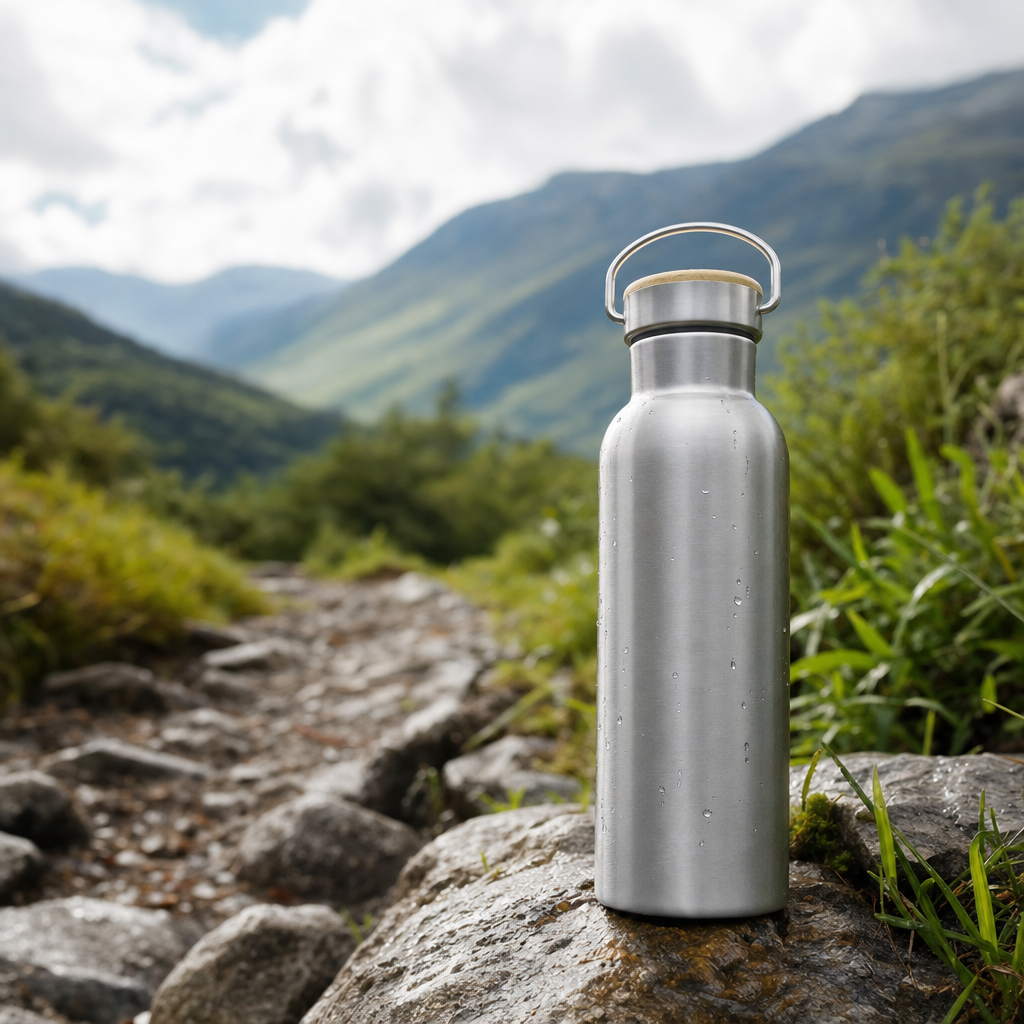
Stainless steel has rightfully earned a reputation as a premier material for reusable containers due to its exceptional strength and resistance to accidental impacts. Unlike fragile glass or thin plastics, stainless steel withstands being dropped on concrete floors, tossed into car footwells, and subjected to the general wear and tear of active daily routines. Furthermore, high-grade food-safe variants do not leach metallic tastes into your beverages, ensuring that your water tastes crisp and clean even after sitting inside the sealed container for many hours under warm ambient conditions.
Glass vessels offer an entirely pure flavor profile and allow you to easily monitor cleanliness and remaining liquid levels at a glance. However, despite improvements in protective silicone sleeves, glass remains inherently susceptible to shattering upon heavy impacts, making it less suitable for rigorous outdoor adventures or crowded fitness centers. Plastic choices, particularly those manufactured from modern BPA-free polymers like Tritan, provide incredible lightness and affordability, though they may gradually absorb persistent odors or become scratched over years of frequent scrubbing and daily use.
Evaluating Insulation and Temperature Control
Vacuum insulation technology represents a massive leap forward in keeping beverages at your preferred temperature regardless of external weather conditions. Double-walled stainless steel construction creates an airtight vacuum barrier between the inner and outer layers, effectively halting heat transfer through conduction and convection. This advanced scientific design prevents ambient heat from warming up ice water on scorching summer afternoons, while simultaneously stopping hot liquids like tea or coffee from cooling down too quickly during freezing winter commutes.
Single-walled variants lack this thermal barrier entirely, meaning they weigh significantly less and cost much less to manufacture, but they offer zero temperature retention capabilities. If your primary goal is simply holding room-temperature tap water while exercising indoors, a lightweight single-walled model might serve your needs perfectly without the extra bulk. However, for anyone who relishes ice-cold hydration twenty-four hours later or needs piping hot coffee during long road trips, investing in a properly double-walled vacuum insulated container is practically essential.
Lids, Caps, and Sip Mechanisms Explored
The lid design of a water vessel drastically affects how easily and comfortably you can take a drink while in motion. Screw-top caps provide a completely leak-proof seal that you can trust at the bottom of a packed bag, but they typically require two hands to open and unscrew, which can be frustrating when driving or running. Straw lids offer convenient one-handed sipping through a built-in mouthpiece, yet their internal mechanisms and intricate valves require meticulous cleaning with specialized brushes to prevent mold buildup in hard-to-reach crevices.
Chug caps and wide-mouth openings strike a clever balance by allowing rapid hydration flows and easy insertion of large ice cubes straight from your freezer. Many popular brands feature interchangeable lid systems, letting you swap from a sports nozzle during workouts to a loop cap for hiking trails using the exact same main vessel body. When examining potential options, always check whether replacement lids are readily available from the manufacturer, as a broken plastic hinge or worn silicone gasket should not force you to discard an otherwise perfectly functional stainless steel bottle.
Maintenance, Cleaning, and Hygiene Practices
Maintaining proper hygiene is vital to ensure your drinking vessel remains safe, fresh, and free from unpleasant bacterial accumulations or persistent mold spores. Even when you fill the container exclusively with plain water, microscopic organic films can develop along inner walls and inside threaded neck areas over several days of continuous use. Establishing a regular cleaning routine involving warm soapy water and a long-handled bottle brush helps scrub away residue before it has a chance to harden or compromise the taste and safety of your drinking water.
Dishwasher safety varies drastically depending on the specific materials and exterior paint finishes utilized during manufacturing. While many bare stainless steel bodies handle high-heat dishwasher cycles without issue, insulated models can sometimes suffer vacuum seal failures if exposed to extreme industrial drying temperatures, ruining their thermal performance permanently. Painted or powder-coated exteriors may also chip, fade, or blister when subjected to harsh dishwasher detergents, making gentle hand washing the safest practice for preserving both the aesthetic appeal and structural longevity of your investment.
Frequently Asked Questions
How often should I clean my reusable water bottle?
You should thoroughly wash your vessel with hot soapy water after every single day of use, or immediately if you filled it with anything other than plain water, such as sugary sports drinks, smoothies, or milk.
Why does my stainless steel bottle develop a metallic taste?
High-grade stainless steel is naturally inert, but trapped mineral deposits from hard water or lingering soap residue can cause strange tastes. Soaking the interior overnight in a solution of warm water and white vinegar easily eliminates this issue.
Are vacuum insulated bottles safe for carbonated beverages?
Yes, but use caution. Carbonation creates internal pressure when shaken or exposed to heat. Opening a sealed insulated bottle filled with sparkling water can cause liquid to spray out forcefully through the sip mechanism.
Can I put hot liquids into an insulated water bottle?
Most vacuum insulated stainless steel models handle hot liquids wonderfully. However, always check manufacturer guidelines, and be extremely careful when drinking boiling liquids from a sealed container to prevent accidental scalds.
Article Was Generated By AI.