
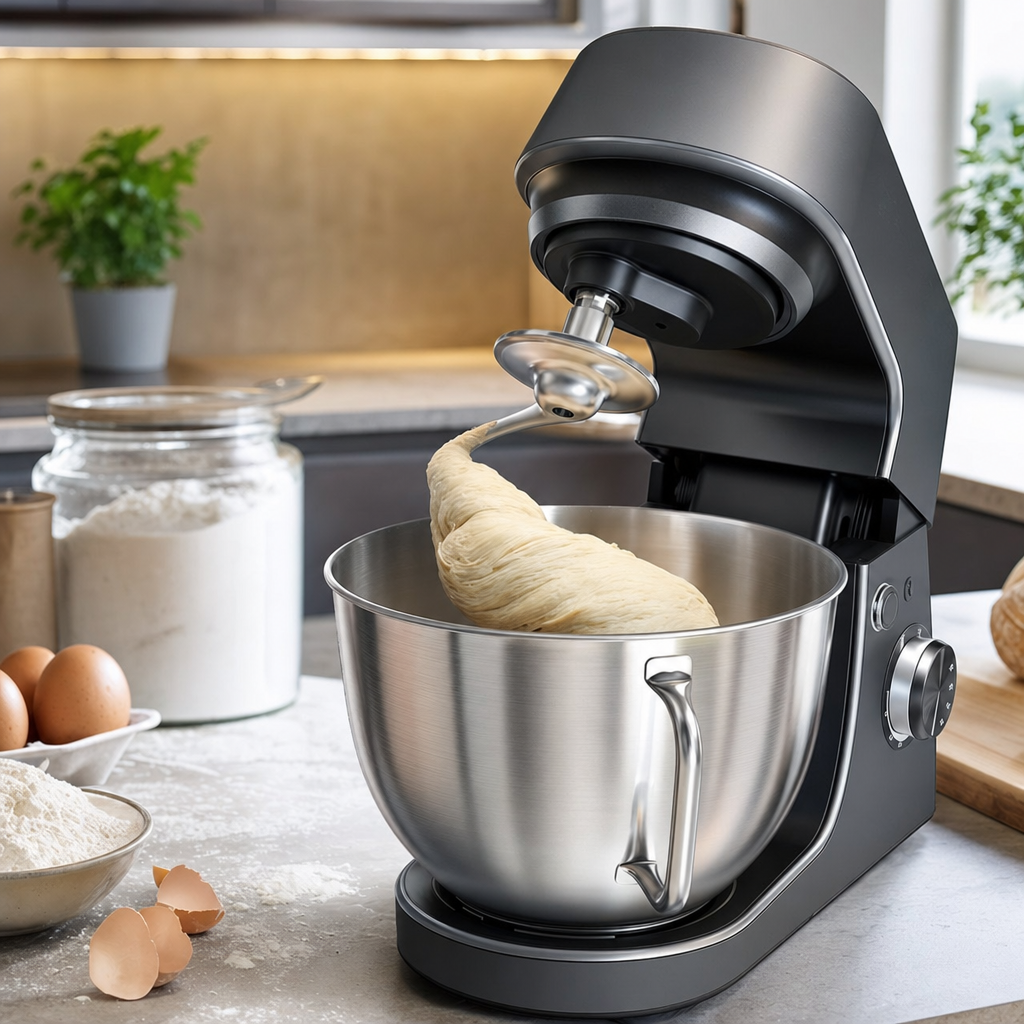
Understanding the Appeal of a Quality Stand Mixer
For anyone who spends time baking bread, whipping meringue, or mixing thick cookie doughs, the search for the best stand mixer often represents a significant culinary milestone. Unlike hand mixers that require constant manual support and limit your multitasking abilities, a dedicated countertop appliance anchors your baking station and takes on the strenuous physical labor of repetitive stirring. These robust machines are engineered to handle dense mixtures that would quickly burn out smaller handheld motors, making them indispensable tools for passionate home cooks and weekend bakers alike.
Beyond raw power, modern appliances offer exceptional versatility through specialized attachments that extend far beyond simple bowl stirring. Many households utilize their countertop mixers to grind fresh meat, slice vegetables, roll out pasta sheets, and churn homemade ice cream during the summer months. This multi-functional capability transforms a single countertop appliance into a comprehensive culinary workstation. Understanding how these machines operate and recognizing the differences between basic models and advanced systems will help you determine which equipment aligns best with your daily cooking habits.
Tilt-Head Versus Bowl-Lift Mechanisms
When evaluating top-rated appliances, you will quickly encounter the two primary mechanical designs available on the market: tilt-head models and bowl-lift configurations. Tilt-head mixers feature a hinged motor housing that tilts backward, granting effortless access to the mixing bowl and the attached accessories. This classic design is generally more compact, fits easily beneath standard upper kitchen cabinets, and proves exceptionally user-friendly for everyday tasks like whipping cream or mixing standard batches of cake batter in residential settings.
Conversely, bowl-lift appliances secure the mixing bowl onto metal arms that are raised and lowered via a physical side lever, while the motor head remains completely stationary. This engineering approach provides superior stability when kneading heavy, high-hydration bread doughs or processing massive quantities of ingredients at high speeds. Commercial kitchens and avid bread bakers typically favor bowl-lift designs because the rigid frame prevents wobbling and safely manages the immense torque generated by thick whole-wheat or enriched brioche doughs over extended kneading cycles.
Key Specifications and Motor Performance
Motor wattage is frequently misunderstood by consumers who assume that higher numbers automatically translate to superior performance. Traditional alternating current motors rely on high wattage to power through heavy loads, whereas modern direct-current motors operate efficiently at lower wattages while delivering remarkable torque directly to the beaters. Instead of focusing solely on wattage specifications, look closely at how the machine maintains consistent speed when encountering resistance, ensuring the motor does not strain or overheat during prolonged mixing sessions.
Bowl capacity is another critical factor that directly impacts your daily workflow and recipe scaling capabilities. Standard residential bowls typically range from 4.5 to 7 quarts, accommodating everything from small single-batch frostings to massive double-batch holiday cookie preparations. Additionally, the inclusion of a planetary mixing action—where the attachment spins on its own axis while simultaneously orbiting the perimeter of the bowl in the opposite direction—ensures thorough incorporation of dry ingredients without requiring constant manual scraping with a spatula.
Essential Attachments and Everyday Accessories
Every standard machine comes equipped with a trio of fundamental accessories that handle the vast majority of traditional baking tasks. The flat beater serves as the workhorse for general mixing, creaming butter with sugar, and preparing various batters, while the wire whip incorporates maximum air into egg whites, heavy cream, and light sponge cakes. Meanwhile, the dough hook is specifically designed to knead yeast-based doughs by stretching and folding the gluten strands efficiently, mimicking traditional hand-kneading techniques with impressive consistency and minimal user fatigue.
Beyond these three standard components, manufacturers offer an extensive array of hub-powered attachments that connect to the front power outlet of the appliance. These optional tools include grain mills for freshly ground flour, food processors, citrus juicers, and sausage stuffers. While these specialized additions expand your culinary repertoire significantly, it is wise to assess whether you will utilize them frequently enough to justify the additional storage space required in your kitchen cabinets and pantry shelves.
Care, Maintenance, and Longevity Guidelines
Proper maintenance ensures that a quality countertop mixer remains a reliable kitchen companion for decades, often becoming a cherished heirloom passed down through generations. Most stainless steel mixing bowls and standard wire whips are dishwasher safe, but traditional aluminum beaters and dough hooks often require careful hand washing with mild soap to prevent oxidation and dark discoloration. Regularly inspecting the cord, wiping down the exterior housing with a damp cloth, and keeping the attachment hub clean will prevent premature wear and mechanical issues.
Another crucial aspect of long-term care involves checking the beater-to-bowl clearance, a simple adjustment that prevents the mixing paddle from striking the bottom or sides of the bowl during operation. Over time, heavy vibrations can cause the height screw to drift slightly out of alignment. Most modern machines feature an easy calibration adjustment coin slot or hex screw beneath the hinge, allowing home cooks to restore proper clearance and ensure optimal ingredient incorporation without needing professional repair services.
Frequently Asked Questions About Stand Mixers
Review these common questions regarding stand mixer selection, usage, and maintenance to help inform your kitchen equipment research.
What size stand mixer is ideal for an average household?
A 5-quart capacity is generally considered the sweet spot for most households, comfortably handling everyday baking tasks like cookies, cakes, and standard bread loaves without taking up excessive counter space.
Can a tilt-head mixer handle heavy bread doughs?
Yes, tilt-head models can handle bread doughs, but you should stick to smaller batches and lower speeds to prevent the motor from straining and the hinged head from vibrating excessively during extended kneading.
Why is the bowl clearance adjustment important?
Proper clearance ensures that the paddle reaches all ingredients at the bottom and sides of the bowl without scraping the metal surface, which prevents unmixed pockets and protects the attachments from damage.
Are all attachments universal across different brands?
No, attachments are typically brand-specific. While standard bowls and beaters only fit specific models within the same manufacturer lineup, front power hub accessories often fit multiple generations of the same brand.
Article Was Generated By AI.