
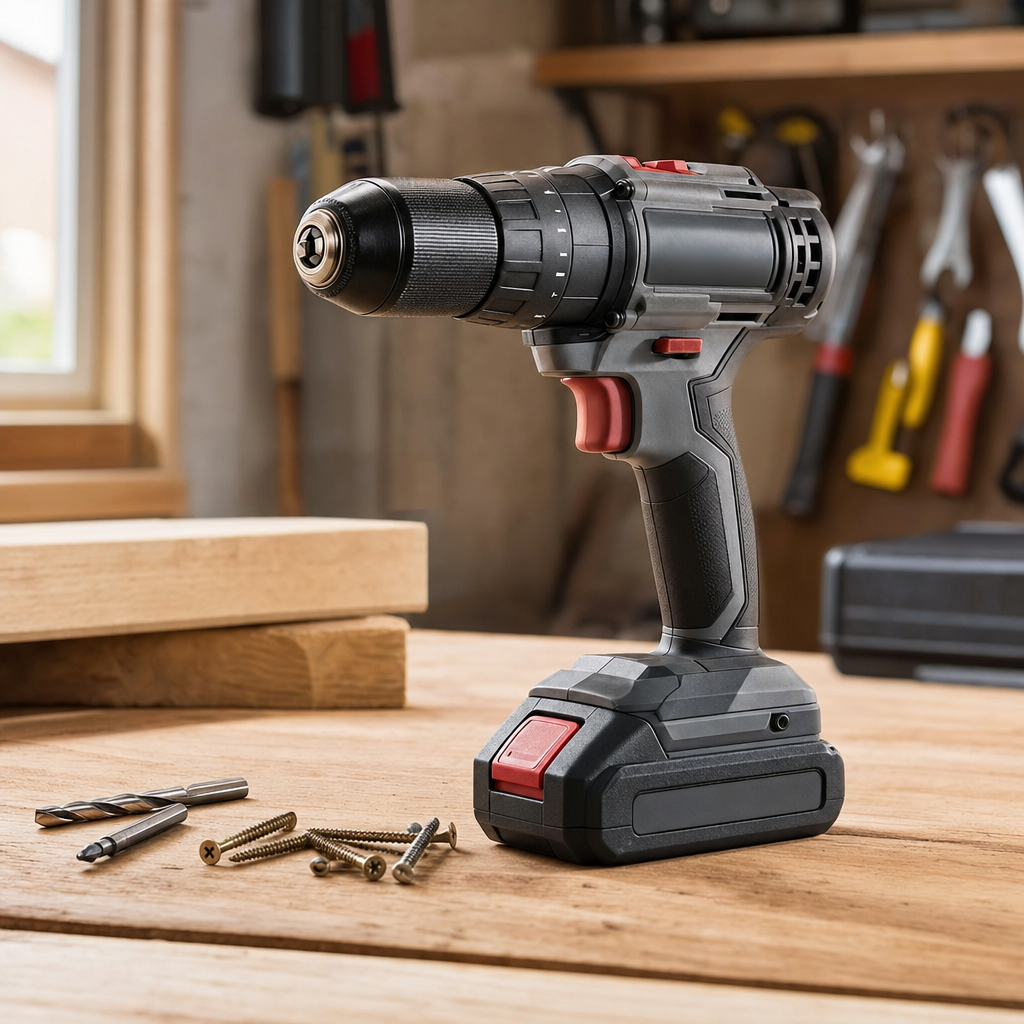
Introduction to Cordless Power Tools
The search for the best cordless drill usually begins when a homeowner or hobbyist realizes that tangled extension cords and manual screwdrivers are no longer sufficient for their projects. Modern battery-powered drills have completely transformed how people approach basic home repairs, furniture assembly, and creative woodworking tasks. Without being tethered to a wall outlet, users can easily maneuver around tight corners, climb ladders safely, and work in remote areas of a property where electricity is simply unavailable. This ultimate mobility has made portable drilling technology an indispensable staple in modern households, shifting the focus from mere convenience to genuine efficiency and safety.
When evaluating what makes a drill truly exceptional, enthusiasts often look beyond basic spinning power and focus on ergonomics, battery life, and motor efficiency. Early iterations of battery-powered drills suffered from heavy nickel-cadmium cells that lost their charge rapidly and added cumbersome weight to the tool. Today, lightweight lithium-ion technology dominates the market, providing consistent power delivery until the moment the battery is fully depleted. Furthermore, brushless motor innovations have extended tool lifespans by reducing internal friction, generating less heat, and delivering more torque per battery charge than older brushed motor designs ever could.
Key Specifications and Technical Features
Voltage rating is frequently the first specification consumers notice, typically ranging from 12 volts for compact tasks up to 20 volts or higher for heavy-duty construction work. While higher voltage generally translates to greater power, it also increases the overall weight and physical dimensions of the tool, making a balance essential for everyday comfort. Alongside voltage, amp-hour capacity dictates how long a battery will run before needing a recharge. A higher amp-hour rating means longer continuous operation, which is particularly beneficial during intensive projects involving large fasteners or dense hardwoods that demand sustained motor performance.
The chuck size is another critical mechanical feature, with most standard household models utilizing a three-jaw chuck measuring either three-eighths of an inch or one-half of an inch. A larger chuck accommodates thicker drill bits and specialized accessories, expanding the versatility of the tool for demanding drilling applications. Additionally, clutch settings play a vital role in preventing over-driving screws by automatically slipping once a predetermined resistance level is reached. This protects both the material being fastened and the screw head from stripping, ensuring clean, professional-looking results on every single project you undertake.
Practical Applications Around the Home
Having a reliable portable drill opens up a world of practical possibilities for routine home maintenance and creative interior upgrades. Hanging heavy artwork, securing floating shelves to drywall studs, and assembling flat-pack furniture become remarkably fast and effortless tasks when approached with the right equipment. By utilizing appropriate drill bits, users can effortlessly create pilot holes in wood, metal, and plastic materials, preventing splitting and ensuring secure fastener placement. Beyond simple hanging tasks, homeowners frequently employ their drills for minor renovation projects, such as installing new cabinet hardware, repairing loose deck boards, and mounting window treatment brackets.
Beyond drilling holes and driving screws, modern cordless drills can be paired with a wide variety of specialized attachments to tackle unconventional household chores. Wire brush wheels can be attached to strip rust off old metal garden furniture, while sanding drums help smooth rough wooden edges during restoration projects. Mixing paddles can also be chucked into powerful drills to blend small batches of drywall mud, paint, or tile mortar with minimal physical exertion. Understanding these diverse capabilities helps users maximize the utility of their equipment, turning a simple single-purpose tool into a versatile multi-system workstation for around-the-house improvements.
- Select the correct bit type for the material you intend to pierce.
- Set the appropriate clutch torque to avoid damaging delicate wood surfaces.
- Keep spare lithium-ion batteries charged and stored in temperature-controlled areas.
- Wear appropriate safety glasses and protective gear during all drilling operations.
Maintenance and Longevity Guidelines
Proper maintenance ensures that your battery-powered drill remains reliable and functional for many years of intermittent home use. After completing dusty projects, take a moment to wipe down the exterior plastic housing with a slightly damp cloth to remove accumulated debris and wood shavings. Using compressed air to gently clear ventilation slots prevents dust from settling inside the motor housing, which can otherwise cause overheating and premature electrical failure. Storing the tool in a dry, temperature-controlled environment also protects internal circuitry and prevents moisture from corroding sensitive metal components over time.
Battery care is perhaps the most significant factor in determining the long-term usability of any cordless power tool system. Lithium-ion batteries perform best when they are not subjected to extreme temperatures, meaning you should avoid leaving them inside freezing garages or baking cars during summer months. While modern smart chargers prevent overcharging, it is still wise to remove batteries from the charger once they reach full capacity. Periodically inspecting the metal contact points on both the tool and the battery for dirt or oxidation ensures a clean electrical connection and consistent power delivery during operation.
Frequently Asked Questions
What is the difference between a drill driver and a hammer drill?
A standard drill driver rotates bits to make holes and drive screws in wood, plastic, and metal. A hammer drill adds a rapid forward pulsing motion, helping bits punch efficiently through tough masonry, brick, and concrete.
How many volts do I actually need for general household projects?
For typical household tasks like hanging pictures, assembling furniture, and minor repairs, a 12V to 20V drill provides more than enough power while remaining lightweight and comfortable to handle over extended periods.
Should I choose a brushless motor over a traditional brushed motor?
Brushless motors are generally superior because they produce less friction, generate less heat, deliver more torque, and offer significantly longer battery runtimes and overall tool lifespans compared to traditional brushed alternatives.
How should I store my drill batteries during the winter months?
Store your lithium-ion batteries indoors at room temperature with a partial charge of around fifty percent. Avoid leaving them on the charger indefinitely or exposing them to freezing temperatures in unheated sheds.
Article Was Generated By AI.