
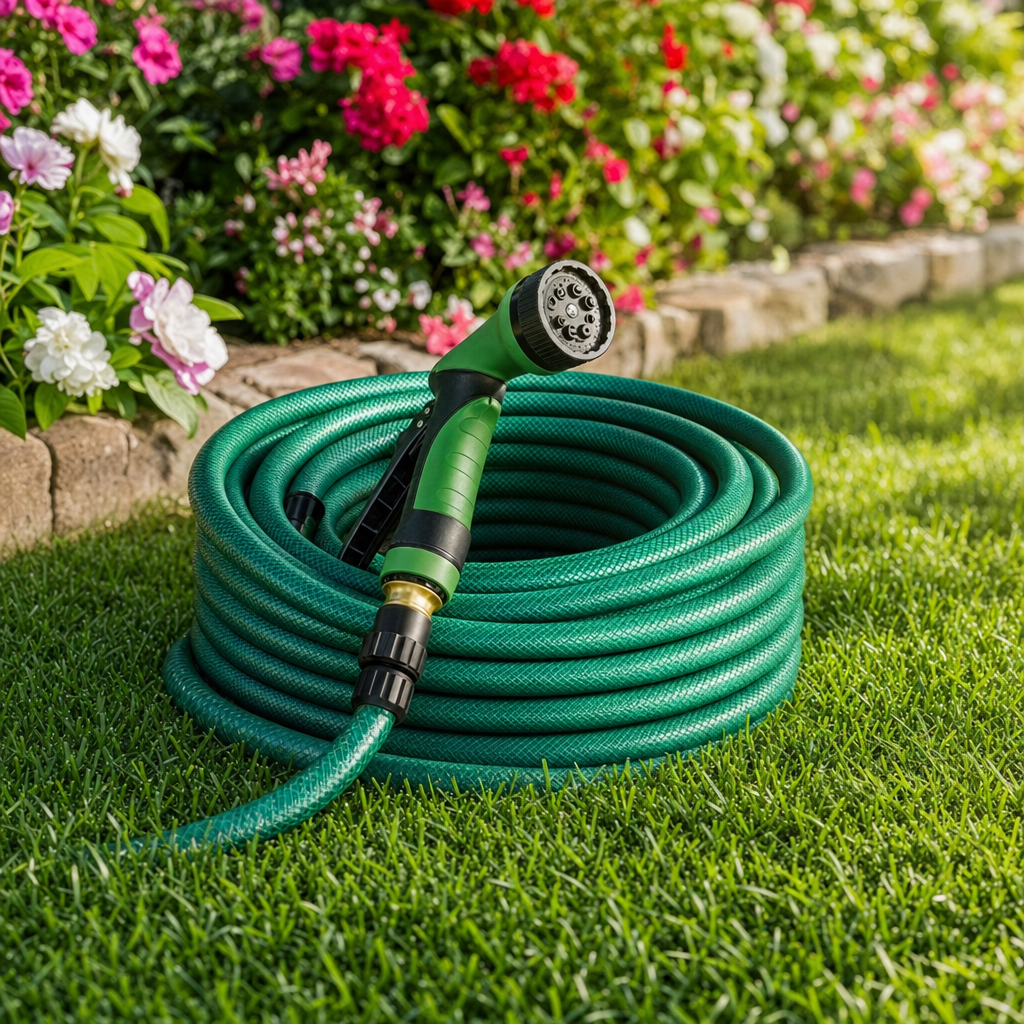
Understanding Garden Hose Materials and Construction
When searching for the best garden hose, understanding the underlying materials is the most critical starting point for making an informed choice. Hoses are primarily manufactured from vinyl, rubber, or a hybrid polymer combination, and each material brings distinct advantages and drawbacks to your daily gardening routine. Vinyl hoses are generally the most affordable and lightweight option available on the market today. However, they tend to kink easily under pressure and are susceptible to cracking when left exposed to harsh ultraviolet sunlight over extended periods.
On the opposite end of the spectrum, reinforced rubber hoses are widely considered the gold standard for durability and longevity by professional landscapers and avid gardeners alike. Rubber hoses withstand extreme temperatures, resist kinking naturally, and can handle high water pressure without bulging or rupturing. The main trade-off with rubber is its substantial weight, which can make pulling a long hose across a large yard a tiring physical chore. Hybrid polymer hoses attempt to bridge this gap by offering the flexibility and weather resistance of rubber combined with a much lighter overall construction.
Internal construction layers also dictate how well a hose performs under pressure and prevents frustrating kinks. Hoses featuring multiple layers—often referred to as plies—are significantly stronger than single-layer alternatives sold at discount retailers. Look for specifications detailing burst strength, which measures the pressure pounds per square inch required to rupture the hose wall. A higher burst strength rating usually indicates a more robust internal mesh reinforcement, such as polyester or nylon threading woven between the outer jacket and inner tube.
Selecting the Correct Length and Diameter Size
Choosing the appropriate length for your garden setup prevents unnecessary frustration while ensuring adequate water pressure reaches your furthest flower beds. Garden hoses typically range from twenty-five feet to one hundred feet in standard increments, with fifty feet being the most popular residential choice. While it might be tempting to buy the longest hose available just to cover every possible corner, excessive length introduces noticeable friction loss. This friction reduces the actual water pressure and flow rate exiting your nozzle, making tasks like running a sprinkler or washing a car much slower.
Hose diameter, measured across the interior opening, plays an equally vital role in water delivery volume and overall system compatibility. Standard residential garden hoses feature a five-eighths inch inside diameter, which strikes an optimal balance between water flow volume and manageable hose weight. Half-inch hoses are lighter and easier to maneuver, but they deliver considerably less water, making them suitable only for smaller patios, balconies, or modest vegetable gardens. Three-quarter inch hoses deliver massive water volumes for large properties or commercial applications, but they are exceptionally heavy and difficult to store.
- 25-foot hoses: Ideal for small patios, apartment balconies, and washing compact vehicles close to a spigot.
- 50-foot hoses: The most versatile residential choice for standard suburban yards and general landscaping tasks.
- 75 to 100-foot hoses: Best for large rural properties, but keep in mind they experience significant pressure drop.
Evaluating Connectors, Couplings, and Fittings
The durability of a garden hose is frequently compromised long before the tubing itself fails, usually at the weak points where metal couplings attach to the ends. Cheap stamped aluminum or thin brass fittings are prone to cross-threading, leaking, and bending if accidentally run over by a lawnmower or heavy garden cart. When researching top-tier watering tools, prioritize models equipped with crush-proof, solid brass or stainless steel couplings. These robust materials resist corrosion from constant moisture exposure and maintain a tight, leak-free seal against your outdoor spigot season after season.
Ergonomics at the connection points can dramatically improve your daily watering experience, especially if you have arthritis or limited hand strength. Look for fittings that feature built-in swivel grips or large hexagonal wrench flats that allow you to tighten the hose securely without skin pinching. A quality washer made of rubber or silicone placed inside the female coupling prevents annoying leaks at the spigot, so having a few spare washers on hand is always a smart preventative maintenance habit for any homeowner.
Strain relief collars represent another crucial design feature often found near the hose ends to prevent sharp bending and internal water flow restriction. These flexible plastic or rubber sleeves absorb the mechanical stress that occurs when you pull sharply on a pressurized hose angled away from the spigot. Without proper strain relief, the hose material right behind the heavy metal coupling frequently develops tiny stress fractures and leaks within the first year of regular outdoor use.
Specialty Hose Categories and Alternative Designs
Beyond traditional continuous-wall hoses, the modern marketplace offers several specialty designs tailored for specific gardening chores and convenience-oriented homeowners. Expandable hoses, which automatically stretch up to three times their resting length when filled with water and shrink back down afterward, are exceptionally popular for compact storage. While they are wonderfully lightweight and virtually impossible to kink, their inner latex cores can be fragile and vulnerable to punctures from sharp thorns, rough concrete, or abrasive fencing edges.
Soaker hoses provide a completely different approach to watering by featuring porous walls that slowly seep water directly into the soil along plant roots. Made from recycled rubber or vinyl, soaker hoses eliminate water loss through evaporation and keep foliage dry, reducing fungal disease risks in vegetable gardens. Flat-soaker configurations and weeping tubes require low water pressure and work exceptionally well when buried lightly beneath a layer of protective mulch to keep moisture locked directly where plants need it most.
Flat hoses and pocket-style reels represent another space-saving category designed specifically for individuals with limited garage storage or urban townhouse garden spaces. These flat designs roll up neatly onto small portable spools without tangling, though they must be fully unrolled before use to allow unrestricted water flow. Evaluating your specific storage constraints and watering habits will guide you toward the right alternative design without wasting money on features you do not actually need.
Proper Storage and Winterization Practices
Maximizing the lifespan of any watering equipment requires adopting disciplined storage habits that protect the hose from environmental degradation throughout the changing seasons. Leaving a pressurized hose lying out in the hot summer sun weakens the material walls and promotes localized ballooning or bursting near weak structural points. Always release the internal water pressure by turning off the spigot and squeezing your spray nozzle before neatly coiling the hose onto a wall-mounted reel or sturdy freestanding storage rack.
Winterizing your outdoor watering gear is essential in climates that experience freezing temperatures, as trapped water expands aggressively when turning into ice. Unhook your hoses from outdoor faucets well before the first hard freeze arrives, drain all remaining internal moisture by lifting and walking the length of the hose, and store them indoors. Basements, heated garages, or garden sheds protect the polymer or rubber materials from extreme sub-zero temperatures that cause brittle cracking, splitting, and ruined fittings by springtime.
Avoiding sharp kinks and tight overlapping loops during the coiling process prevents permanent memory in the hose material that makes future handling difficult. Use a continuous, gentle loop pattern that respects the natural radius of the tubing rather than forcing tight angles over sharp corners or protruding fence posts. Taking these few extra minutes to coil and store your equipment properly ensures reliable performance year after year, saving you both money and frustration in the long run.
Frequently Asked Questions
What hose material lasts the longest outdoors?
Reinforced rubber hoses generally offer the longest lifespan, often lasting ten years or more with proper care, because they resist UV degradation, punctures, and extreme temperatures much better than vinyl or expandable alternatives.
Why does my garden hose keep kinking?
Kinking usually results from using lightweight vinyl materials, improper storage techniques, or allowing the hose to twist while pulling it across your yard. Purchasing a hybrid or rubber hose and using a reel helps eliminate this issue.
Can I leave my garden hose connected all winter?
No, leaving a hose connected to an outdoor spigot during freezing weather traps water inside, which expands into ice and can burst both your hose and your home’s exterior plumbing pipes.
Does hose length affect water pressure?
Yes, longer hoses create more interior friction, which gradually reduces water pressure and flow volume at the nozzle. For optimal pressure, always purchase the shortest length that comfortably reaches your watering areas.
Article Was Generated By AI.